The government has launched a new programme focused on protecting and commercialising indigenous knowledge, with 13 counties selected as the primary beneficiaries in the first phase, ahead of a wider national rollout.
The initiative, being implemented under the National Products Industry program, is designed to help the selected counties identify, document and develop their indigenous knowledge and cultural assets while putting in place systems to protect community-owned intellectual property.
The programme targets cultural knowledge that has remained largely informal despite its economic value.
To support the effort, the government has already established the Indigenous Knowledge Innovation Bank, which will act as a national repository for county-level cultural assets.
The platform will store data on traditional foods, local cuisines, indigenous medicine, herbal remedies and other forms of community knowledge.
The targeted counties will also benefit from the Documentation and Digitisation Project, which covers indigenous technologies, heritage sites, cultural tourism, performing arts and creative economy activities. The project aims to preserve these assets while preparing them for structured commercial use.
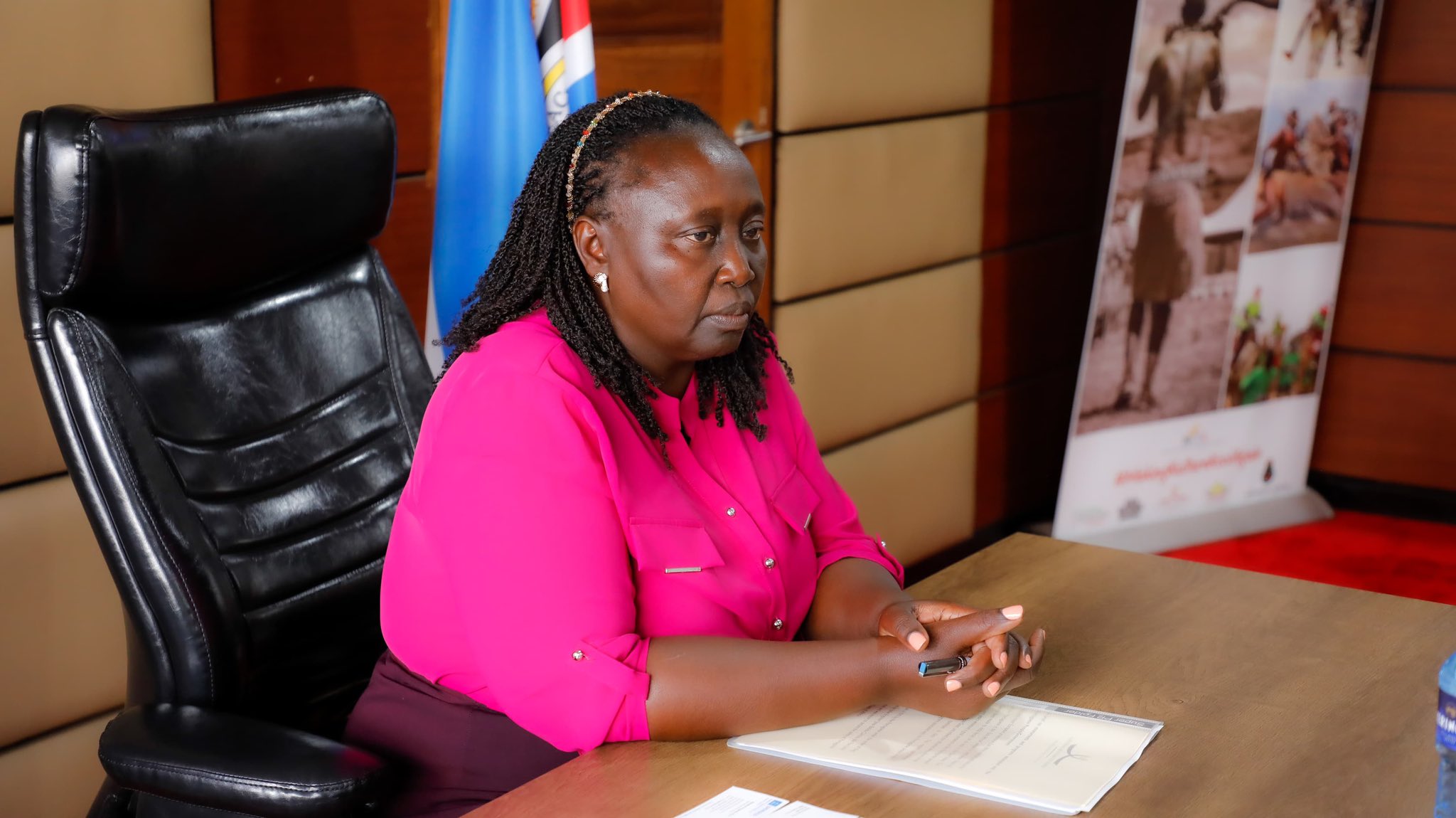
Gender, Culture and Arts Cabinet Secretary Hannah Cheptumo said the first phase will focus on Garissa, Kakamega, Jericho, Kilifi, Kisii, Makueni, Marsabit, Murang'a, Narok, Siaya, Tharaka Nithi, Turkana and Vihiga.
Cheptumo said once the first phase is implemented, the programme will expand to the rest of the country, with 20 counties lined up for the second phase and 14 more expected to join in the third phase, ultimately covering all 47 counties. She said the phased approach is meant to strengthen heritage-based enterprises across the country.
The CS said the initiative will support cottage industries and strengthen indigenous product value chains within both national and county governments, with funding support expected through the County Aggregation Industrial Parks.
She said the programme is anchored in the revised Cultural Enterprises Act of 2018, which mandates the government to promote and protect national and cultural expressions.
Speaking in Naivasha during the Governors Consultative Roundtable, Cheptumo said the 13 counties in the first phase will showcase their cultural products and intellectual assets at the first international Investment Conference and Trade Fair to be held in Murang'a from April 21 to April 23 this year.
She said the forum will bring together local communities, indigenous knowledge asset owners, entrepreneurs, investors and policy makers to exchange ideas and explore investment opportunities.
Cheptumo said the initiative is also intended to reverse a trend where Kenyans seek benefits from indigenous knowledge outside the country, especially in the medicinal sector.
Garissa Governor Nathif Njama said the conference will give counties a platform to promote heritage-based enterprises and ensure communities benefit directly from their cultural resources.
Njama said counties hold vast biodiversity and rich cultural heritage that remains largely untapped, adding that proper commercialisation could open up more economic opportunities for local residents.
Representing the Council of Governors at the forum, Njama said the programme will support fair benefit sharing while safeguarding cultural heritage and intellectual assets owned by communities.
He said grassroots innovations such as natural products, crafts, performances and traditional foods will be protected, processed, branded and certified for export markets to improve community earnings.
The governor also urged the programme to prioritise youth and women, noting that they account for about 60 percent of actors in cultural and natural product value chains.
National Medium of Kenya Board Chair Evans Talasha said Kenya could unlock more than Sh230 billion if adequate investment is directed towards indigenous knowledge.
Talasha said developing cultural heritage knowledge locally would also help reduce the growing importation of natural-based products, including medicines.































Comments
Sign in with Google to comment, reply, and like comments.
Continue with Google